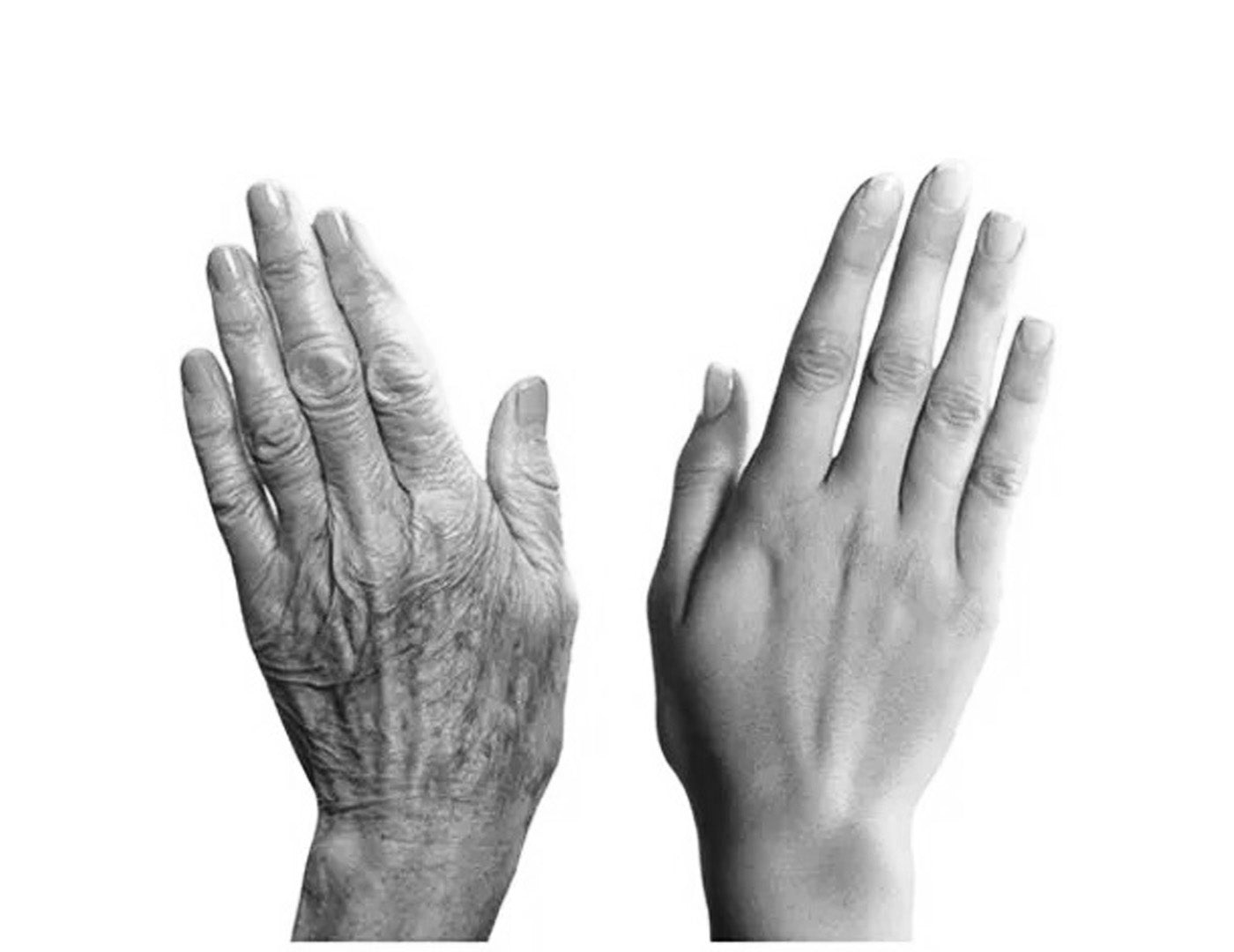

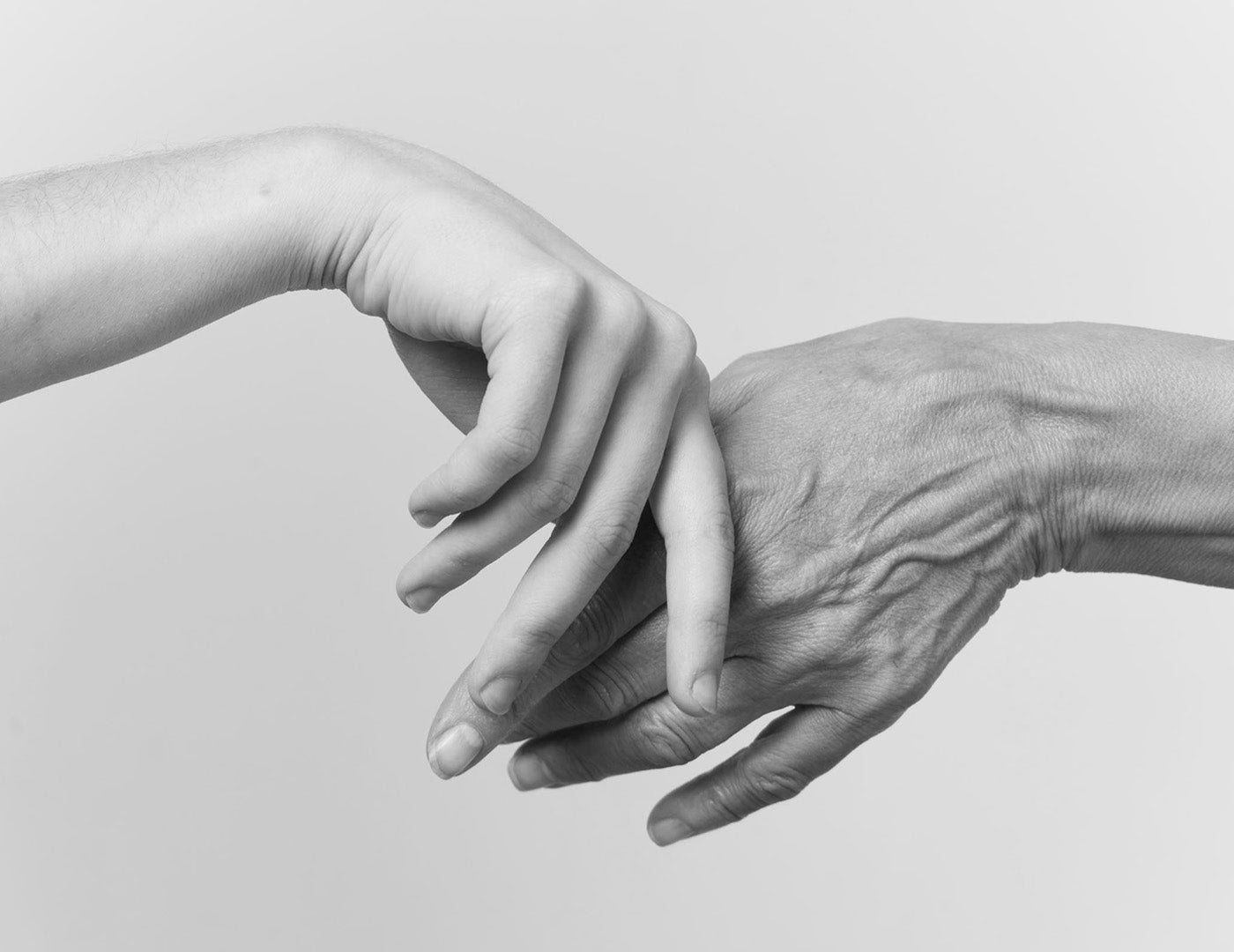

Prof. Dr. Robert Hierner at a glance.
FAQsfor Hand Aging & Hand Longevity in Dubai
Prof. Dr. Robert Hierner is a pioneer in the field of interdisciplinary and multi professional treatment of age changes at the hand area and Hand Longevity.
What is Aging?
Aging is a process of natural change that begins in early adulthood. Aging
causes the body to undergo a decline in
physical and mental functions, including decreased muscle and bone density,
reduced sensory abilities like vision and hearing, and a slowing of metabolic
processes.
- Aging is one of the most important issues in our society
- Aging affects everyone without exception
- Aging is not a single, linear process, instead aging occurs in shifts or "waves". Key periods for these shifts appear to be around the ages of:
- Aging at different speeds:
- body & soul can age at different speeds
- dfferent organs and body systems age at different speeds
- different hand regions age at different speeds - fast aging regions:
- dorsum of the hand
- Knuckles and Joint areas - intermediate aging regions:
- Interdigital Spaces
- finger nails - slow aging regions:
- palm of the hand

Why do age changes occur in the hand area?
The aging process is the result of the interaction of external (Epigenetic) drivers (Environment, Lifestyle, psychosocial) with the internal (genetic) basis.

What age changes are there in the hand area?
Age changes affect tissues in the body; hand ageing is a combination of the following:
• Skin
• Nail
• Blood vessels
• Muscle
• Tendon
• Nerves
• Joints
• Bone

What are the consequences of age changes in the hand area for us?
Age changes in the hand will lead to a combination of:
Pain can be experienced as:
• morning stiffness
• pain during movement
• or even pain at rest
Functional impairment is felt even at daily life activities as
- loss of power
- numbness
- impaired finger motion
all together leading to
- clumbsiness
- loss of function

How does Menopause influence age changes in the hand?
During menopause, the decline in estrogen levels significantly accelerates the aging process of the hands.
The hormonal shift during menopause leads at the hand to:
- Joint Pain, affecting 70-80% of women: Joint pain is a surprisingly common, yet often overlooked, symptom of menopause and perimenopause. It occurs because declining estrogen levels cause increased inflammation in the body and reduce the fluid that cushions your joints.
- Aesthetic Syndrome of Menopause: Collective set of skin and nail issues caused by the rapid decline of estrogen during perimenopause and postmenopause:
- Skin changes: thinner, drier, and more fragile skin, age-spots
- Nail changes: Brittle Nails - Musculoskeletal Syndrome of Menopause: Collective set of tendon, muscle, peripheral nerves, joint and bone issues caused by the rapid decline of estrogen during perimenopause and postmenopause
- tendon changes: tendinopathy (trigger finger, de Quervain)
- muscle changes: muscle loss (sarcopenia)
- nerve changes: (carpal tunnel syndrome)
- joint changes: degenerative arthritis
- bone changes: osteoporosis

How Mobile Phones affect Hand Aging
Excessive mobile phone use can accelerate aging in your hands through a combination of:
- Increased joint wear caused by poor posture & repetitive physical strain
- accelerated skin aging by Blue Light (HEV) Exposure
- increased Skin Irritation caused by long contact with the mobile phone
- increased pigmentation caused by chronic heat application to skin
We cannot live without smartphone, so what to do ?
There are Preventative Measures to mitigate these local drivers of accelerated hand aging. Poor posture and overuse of the so-called "texting thumb“ can be reduced by:
- Use of Hands-Free Options
- Ergonomic Accessories
- Changing of typing technique

How your Workplace affects Hand Aging?
Your workplace significantly impacts how your hands age, often causing them to look older than the rest of your body due to constant exposure to:
- Environmental Exposure
- Chemical Exposure
- Physical & Mechanical Stress
- Psychosocial & Lifestyle Factors
There are Preventative Measures to mitigate these local drivers of accelerated hand aging:
- UV radiation which is the main
Environmental Factors can be reduced by:
- Applicaton of sun screen
- gloves - Accelerated skin aging by Chemical exposure can be reduced by:
- wearing Protective Gloves to prevent contact with harsh chemicals - Physical & Mechanical Stress
can significantly be reduced by:
- Improving workplace safety
- Workplace adaptation: The use of an ergonomic computer mouse can prevent overuse of nerves and tendons at the wrist level

Sun and Hand Aging
Sun exposure is a primary driver of premature skin aging, causing collagen breakdown, sunspots (aging spots), and thinning skin.
The hands are often the first place to show visible signs of aging, sometimes appearing 10–20 years older than the face. This occurs because the skin on the back of the hands is significantly thinner and more delicate than facial skin, with fewer oil glands and very little fat for cushioning.
Most effective counter measures are:
- Basic & Advanced Skin Care routine
- Cleanse
- Repair
- Moisturize
- Protect
- UV protection gloves

What is Hand Longevity?
"Hand Longevity Care" refers to a proactive or preventive approach to hand care, especially for individuals over 30, focused on:
- Living longer time than average (→ Lifespan)
- Living longer without impaired hand function or hand diseases (→Healthspan)
- controlling and reversing the external hallmarks of hand aging (→ Beautyspan)
- Prevention of Hand Aging
- Patient education
- Lifestyle optimization
- early screening - Maintenance of Hand function
- Regenerative Wellness
- Regenerative Medicine
- Precision (Gero) Medicine - Repair of Hand functions
- Cover-Up
- Rejuvenation

Skin Care and Hand Longevity
Skin Care in Hand Longevity relies on 2 principles - “Protection” & “Care”:
- Skin Protection:
- Avoiding contact with harsh chemicals & Irritans by wearing protective gloves
- Minimizing the use of Irritans - Skin Care
- Cleanse
- (Repair)
- Moisturize
- Protect

Platelet-Rich Plasma (PRP) for Hand Longevity
Platelet-Rich Plasma (PRP) hand injections use a concentrated solution of your own blood platelets to.
- accelerate tissue healing
- enhance skin quality
- reduce inflammation
- alleviate pain in the joints, tendons, and ligaments of the hand and wrist.
Because the procedure harnesses the body's natural regenerative mechanics, it serves as a highly sought-after, non-surgical alternative to conventional treatments.
- Mechanism: PRP contains a high concentration of platelets, which release growth factors that stimulate collagen production, angiogenesis (new blood vessel formation), and cellular repair.
- Procedure: PRP injections are prepared by taking anywhere from one to a few tubes of your own blood and running it through a centrifuge to concentrate the platelets. These activated platelets are then injected directly into your injured, diseased or aging body tissue.
- Treatment Protocol: Most clinicians recommend a series of 2-3 initial treatments, spaced roughly 4-6 weeks apart followed by maintenance every 6 to 12 months.
- Timeline: Results are gradual, with initial improvements often noticed within a few weeks and peak benefits appearing around 3 to 6 months.
- Longevity of Results: PRP results for the hands generally last 6 to 18 months, depending on the severity of the condition and lifestyle factors.
- Safety: As an autologous treatment (using the patient's own blood), there is a very low risk of allergic reactions or adverse side effects.

Stem Cell and Hand Longevity
Stem cells are special human cells that can
- Replicate itself
- Differentiate into many cell types. This can range from muscle cells to brain cells. In some cases, they can also fix damaged tissues
Stem cells can be taken from:
- patient
- peripheral blood
- fat tissue
- bone marrow
- donor (umbilical cord)
Mechanism: Stem cells act by
- replenishing the body’s declining natural supply of repair cells
- act as biological conductors that signal the body to repair itself
Procedure:
- Stem Cell harvest:
Patient
- peripheral blood
- fat tissue
- bone marrow
Donor (umbilical cord)
·
- Stem cell Processing: There are two main procedures prior to application of the stem cells
- Cell enrichment by centrifugation
- Cell expansion by cell culture
- Stem cell application: There are 3 main types of application
- topic (on skin)
- local (tissue injection): Injections
are performed under local anesthesia using advanced imaging guidance
(Ultrasound or CT Guided) to ensure accurate placement into the specific joint,
tendon sheath, or ligamentous structure. - systemic (i.v. infusion)
- Treatment Protocol: The stem cells are then injected into the
damaged joint using x-ray guidance and local anesthesia, taking about 45
minutes to complete. Patients are typically splinted for a week. The protocol
typically involves 2-8 targeted infusions of enhanced UC-MSC+ mesenchymal stem
cells combined with tissue-specific growth factors tailored to the injury
(e.g., factors promoting cartilage, tendon, or ligament regeneration).
- Timeline/Not a Quick Fix:
The therapy works by initiating a
healing process, not providing immediate structural change, with benefits
sometimes taking months to peak.
- Initial Phase (1–4 Weeks): You
may experience mild soreness, swelling, or a temporary increase in pain for the
first 2–5 days. By the end of the first month, subtle improvements in stiffness
or a slight reduction in baseline pain may begin. - Progressive Improvement (1–3 Months): This
is often the "noticeable" phase. Most patients report a significant
drop in pain and improved mobility during this window. One clinic reported
average hand pain levels decreasing from 5.6 to 2.9 (out of 10) during their
follow-up periods. - Maximum Benefit (6–12 Months): Peak
results usually occur around 6 months as tissue repair and inflammation
reduction continue. Improvements in grip strength and finger flexibility are
most apparent here. - Long-Term (1–5 Years): Benefits
can last for several years, though some patients may require
"booster" injections to maintain relief for degenerative conditions
like arthritis.
- Safety: As an autologous treatment (using the patient's own blood), there is a very low risk of allergic reactions or adverse side effects.

Fat transfer for Hand Rejuvenation
Fat transfer to the hands restores lost volume by using your own harvested fat. It provides long-lasting, youthful results by using stem cells naturally present in the adipose tissue:
- Mechanism: This natural procedure plumps thinning skin, hides prominent veins and tendons, and improves skin texture.
- Procedure:
- Harvesting: A small amount of fat (typically 20–30 cc per hand) is gently liposuctioned from a donor area on your body, such as the abdomen or thighs.
- Purification: The extracted fat is purified to isolate healthy fat cells and regenerative stem cells.
- Injection: The fat is carefully injected into the back of the hands (dorsum) and massaged to create a smooth, natural-looking contour.
- Treatment Protocol: single-stage procedure, which needs some overcorrection, because of postoperative volume loss of 20 – 30 %
- Timeline:
- Immediate Volume Restoration: Eliminates the "skeletal" look of aging hands by covering visible bones, tendons, and veins.
- Late Tissue regeneration: : Stem cells and growth factors in the fat improve skin elasticity, tone, and overall texture. - Longevity of Results: While some of the transferred fat will be reabsorbed by the body, about 50% becomes a permanent part of your hand, offering results that last for years.
- Safety: As an autologous treatment (using the patient's own blood), there is a very low risk of allergic reactions or adverse side effects.


Ask the German Board Certified Hand Surgeon.
Prof. Dr. Robert Hierner offers advanced hand rejuvenation treatments in Dubai, including autologous fat transfer, to restore youthful appearance and function to aging hands.
Hand Rejuvenation - Procedures
Age-spot removal with LASER
Laser treatment is one of the most effective methods for removing age spots (sunspots) on the hands. The laser energy is specifically absorbed by the melanin (pigment) in the age spots, shattering the pigment into tiny particles. Your body then naturally eliminates these particles, revealing a more even skin tone.
Sessions take about 20 to 30 minutes. A numbing cream may be applied, though the procedure is generally described as a mild warming sensation. Popular lasers for this include Q-switched Alexandrite lasers, Pico lasers, and Intense Pulsed Light (IPL).
Many patients see 90–95% clearance of their age spots in just a single session, though deeper or more stubborn spots may require 1–2 additional treatments.

Skin Rejuvenation with Fat Transfer
Autologous fat transfer or lipofilling describes the method in which the body's own fat is used for tissue injection.
The principle of treatment is that the body's own fatty tissue is gently removed from an inconspicuous area under local anesthia, sterilized and transplanted to the desired location.
In contrast to all other fillers (see above), fat is an endogenous substance that cannot lead to an allergic reaction and the treatment result lasts much longer.
Tendon Sheath injection
A cortisone injection is a highly effective, minimally invasive treatment that reduces
swelling around the inflamed tendon, allowing your finger or thumb to move
freely again.
- The Procedure: Your doctor first injects a local anesthesia into the tendon sheath. Once the finger is completely numb a 0,5 – 1,0 ml of corticosteroid is then injected directly into the tendon sheath at the base of the affected finger or thumb. Patient
should move the finger in order to
distribute the cortisone throughout the entire tendon sheath area. - Recovery & Relief:
Expect mild soreness at the injection site for a few days. Pain typically
improves within a few days, and catching or locking resolves within a few
weeks. - Timeline: The success of
the treatment can only be assessed after a few days:
- If the symptoms
disappear completely and do not return, no further therapy is necessary
- If the symptoms
do not disappear completely or reappear within a few weeks, a surgical approach
is necessary (Repeated cortisone injections are not recommended) - Effectiveness: For many, a single shot resolves the issue
permanently. Long-term relief can be expected in about 50% to 70% of people.
Tendon Sheath injection
If there is tingling and numbness in your hands, your hands fall asleep, you wake up in the night and have to shake your hands or let them hanging out of the bed to fall asleep again, you might have a so-called Carpal Tunnel Syndrome. If symptoms persist for a longer period of time, surgery is the treatment of choice. Relief of the carpal canal can be achieved either via a mini-incision or endoscopically.
Trigger finger Release
If non-operative treatment does not lead to full recovery or symptoms persist for a longer period of time, surgery is the treatment of choice.
- The Procedure: An A1 pulley release (trigger finger release) is a minor outpatient procedure used to treat stenosing tenosynovitis (trigger finger). Relief of the tendon sheet (A1 pully region) is achieved via a mini-incision. By carefully cutting or dividing the thickened A1 band at the base of the finger, the procedure creates more space for the flexor tendon to glide smoothly without painful catching or locking.
- Recovery & Relief: Adequate postoperative pain therapy must be ensured. Medications (e.g. Arcoxia 90 mg 1-0-0, ...) should be taken already 1 day before surgery. Postoperatively, the hand should be moved immediately. Physiotherapeutic follow-up should be started early. A large bandage or even immobilization on a splint is not necessary. Suture removal is performed 10 - 14 days after surgery. After suture removal, scar massage with Vaseline 3-5x/day for 4 - 6 weeks is recommended. Patients with a desk job are able to work for 1 - 3 days and manual workers for 2 - 3 weeks.
- Effectiveness: A1 pulley releases are highly effective with a success rate of up to 97%. It is usually performed in an outpatient setting and involves the following key steps.
Carpal tunnel Release
If there is tingling and numbness in your hands, your hands fall asleep, you wake up in the night and have to shake your hands or let them hanging out of the bed to fall asleep again, you might have a so-called Carpal Tunnel Syndrome. If symptoms persist for a longer period of time, surgery is the treatment of choice.
- The Procedure: Relief of the carpal canal can be achieved either via a mini-incision or endoscopically.
- Recovery & Relief: Adequate postoperative pain therapy must be ensured. Medications (e.g. Arcoxia 90 mg 1-0-0, ...) should be taken already 1 day before surgery. Postoperatively, the hand should be moved immediately. Physiotherapeutic follow-up should be started early. A large bandage or even immobilization on a splint is not necessary. Suture removal is performed 10 - 14 days after surgery. After suture removal, scar massage with Vaseline 3-5x/day for 4 - 6 weeks is recommended. Patients with a desk job are able to work for 1 - 3 days and manual workers for 2 - 3 weeks.
- Effectiveness:Night pain should persist immediately after surgery. Pre-existing sensory disturbances disappear depending on the severity and duration only after 3 - 12 months.

Hand & Wrist joint injection
Hand joint injections deliver powerful medications or lubricants directly into the affected area to relieve pain, reduce inflammation, and improve mobility.
The Procedure: Injections should be done with the patient lying. The provider will apply local anesthesia, prep and drape the skin. Next a tiny needle is directly inserted into the joint space. Some doctors use ultrasound guidance to ensure precise placement
Types of Hand Joint Injections
- Corticosteroid Injections: The most common option. They contain a potent anti-inflammatory drug paired with a local anesthetic for rapid pain relief. They are primarily used to treat arthritis (osteoarthritis and rheumatoid arthritis), trigger finger, and tendonitis.
- Hyaluronic Acid (Viscosupplementation): Acts as a joint lubricant to reduce friction and improve range of motion in moderate osteoarthritis.
- Platelet-Rich Plasma (PRP) & Cell Therapies: Regenerative treatments that use a patient’s own concentrated platelets or cells to potentially reduce inflammation and stimulate tissue healing.
Recovery & Relief: After the procedure, it is generally recommended to rest the joint for 24 to 48 hours.
Effectiveness: While the numbing medicine wears off quickly, the steroid or medication can take a day or two to kick in and can provide relief lasting for several weeks to months

Low-dose Radiation Therapy
Low-dose radiation therapy (LDRT) is a non-invasive, drug-free treatment that uses targeted, low-energy X-rays to relieve pain and inflammation in the hand joints of osteoarthritis patients. It is a safe, brief, outpatient procedure often utilized when standard therapies like medications or steroid injections fail or to delay surgery.
- The Procedure: A typical course consists of 6 brief sessions administered over two weeks (e.g., every other day). Each session lasts only a few minutes and is completely painless.
- Recovery & Relief: no downtime, and no specific recovery necessary
- Effectiveness: Improved grip and mobility, with noticeable pain relief occurring 2 – 6 weeks after completing the sessions in about 70% to 85% of patients.
The pain relief and improved joint function can last for months or even up to two years. Because the dosage is highly localized and minimal, adverse effects are generally negligible.

Arthritis Surgery: Resection/ Suspension Arthroplasty of the basal thumb joint
Years of motion leads to changes in the cartilage of all the joints, the so-call degenerative arthritis or Osteoarthitis. Osteoarthritis affects everyone. Surgical therapy becomes necessary when conservative treatments show no success (anymore).